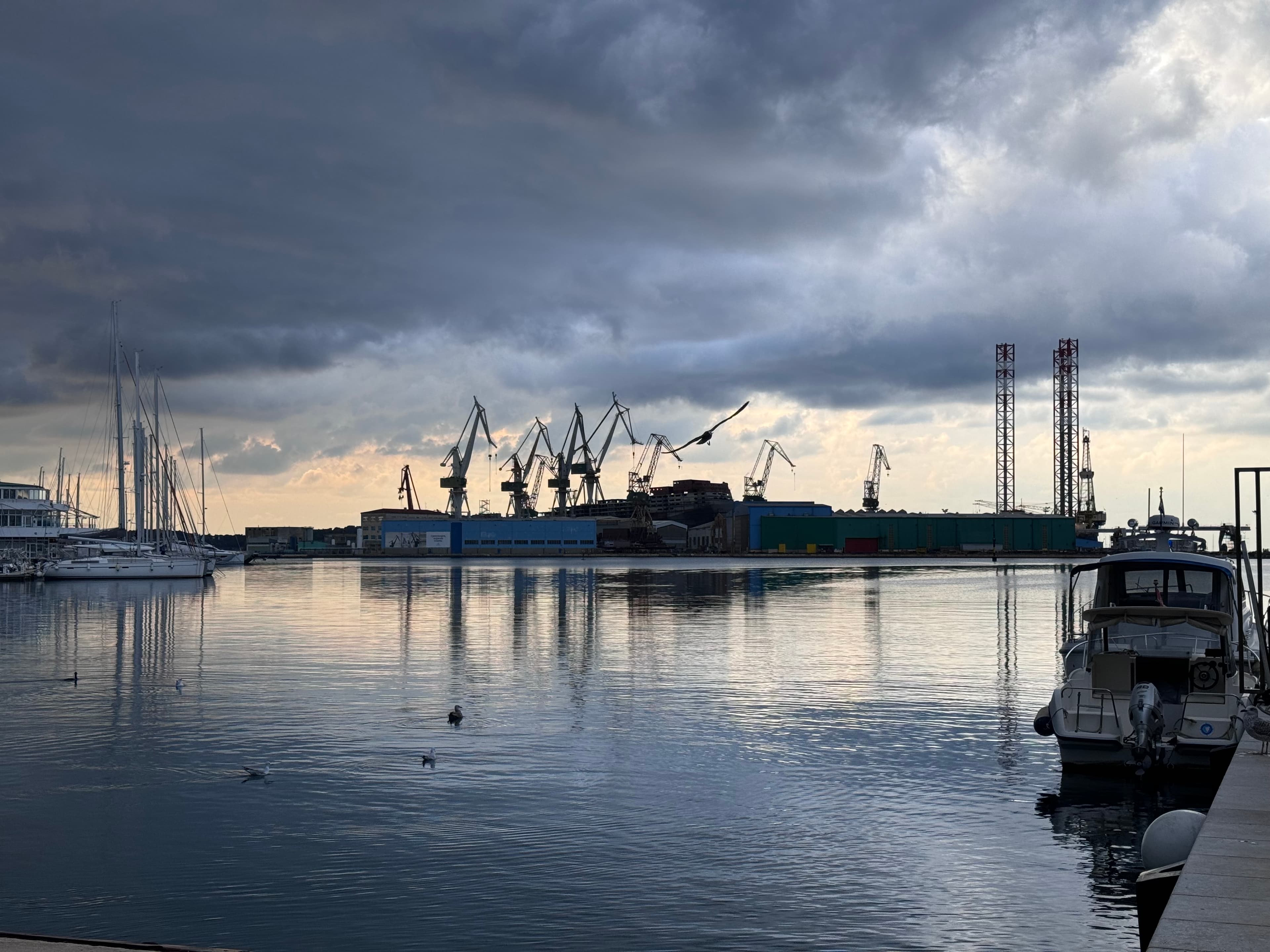
People ask me this more than almost anything else: when should I actually come to Pula? Not when does Pula look nice in photos - when should you, specifically, book your flights. After eight years of walking tourists through this city nearly every day from spring to autumn, I've got opinions, and I'll give you the honest ones instead of the ones that sound good on a tourism board flyer.
July and August: the loud answer
This is when everyone comes, and there are real reasons for it. The sea is at its warmest, the days are long, the Arena hosts concerts, and the whole town has a buzz to it that doesn't exist the rest of the year. If you want nightlife, full beach bars, and every restaurant terrace packed until midnight, this is your season.
But I'll be straight with you: it's hot, properly hot, and the midday sun on walking tours gets rough even for me after eight summers of this. The Arena and the old town get crowded, and if you're the kind of traveler who wants quiet corners to actually look at Roman stonework without forty other people in the frame, August will frustrate you. Accommodation prices also climb across the whole coast - this isn't a Pula-specific thing, it's just how the Istrian coast works in peak season. Book well ahead if you're set on these months.
May, June, September, October: where my money goes
If you ask me straight up, and I get asked this constantly, my answer is almost always May, June, or September. The sea is still warm enough to swim comfortably, especially by June and through most of September. The crowds thin out noticeably compared to peak summer, which means you can actually walk through the Arena or along the waterfront without constantly dodging tour groups. Restaurants aren't frantic. You can get a table without planning your dinner three hours in advance.
Prices tend to be gentler too, for flights and accommodation both, though exactly how much cheaper varies year to year and you should check closer to your dates rather than trust some blog's old numbers. One honest caveat: Pula is a real town, not purely a resort, but Istria does have a tourism season, and some smaller seasonal places - certain beach bars, a handful of restaurants that only make sense to run in high summer - might have shorter hours or be closed outside peak months. It's not a dealbreaker, there's still plenty open, just don't assume every spot you saw on Instagram in August will be running the same way in late September. Check ahead if there's somewhere specific you want to go.
Early October can still be lovely, warm enough for a coffee outside and a walk along the coast without a jacket, though the sea starts cooling and some operators wind down their season.
Winter: my actual off-season
I'll tell you plainly, winter is the quiet season for tours too - mine included. Fewer groups, fewer walk-ups, less demand generally for what I do. If you come to Pula in December or January expecting the summer version of the city, you'll be disappointed. The beach bars are shut, cruise ships aren't docking, and the old town feels like what it actually is: a working Croatian coastal city rather than a tourist stage set.
That said, I don't think winter is a mistake if you're the right kind of traveler for it. Istria in winter isn't brutal the way northern Europe gets brutal - it's mild by comparison, you'll want a proper coat but you're not fighting snow and ice most years. The Arena stands just as impressively empty as it does full, honestly more impressively in some ways, because you get the whole thing to yourself. If you want a genuinely local, slow, cheap trip and don't care about swimming, winter isn't a bad call. Just don't come expecting beach weather or lively nightlife, because that's not what's on offer.
So, honestly?
If I had to pick one window for someone with real flexibility, I'd say early-to-mid June or September. You get warm sea, workable crowds, full restaurant hours, and a town that still feels alive without feeling like it's at capacity. July and August are great if the beach scene and nightlife matter more to you than elbow room. Winter works if you want Pula stripped down to its actual self and you're not chasing a swim.
Whatever you pick, check specifics - opening hours, exact weather, event calendars - closer to your actual travel dates rather than relying on any general seasonal guide, mine included. Seasons shift a bit year to year, and the details matter more than the broad strokes.