10 September 2026
How Locals Actually Use Pula: A Guide Past the Postcard
Where people from Pula buy their vegetables, swim after work, and drink their coffee. None of it is a secret, it is just never on the itinerary.
From the walk
Things I talk about on the tour, written down for anyone who wants more than the two-hour version.
Where people from Pula buy their vegetables, swim after work, and drink their coffee. None of it is a secret, it is just never on the itinerary.
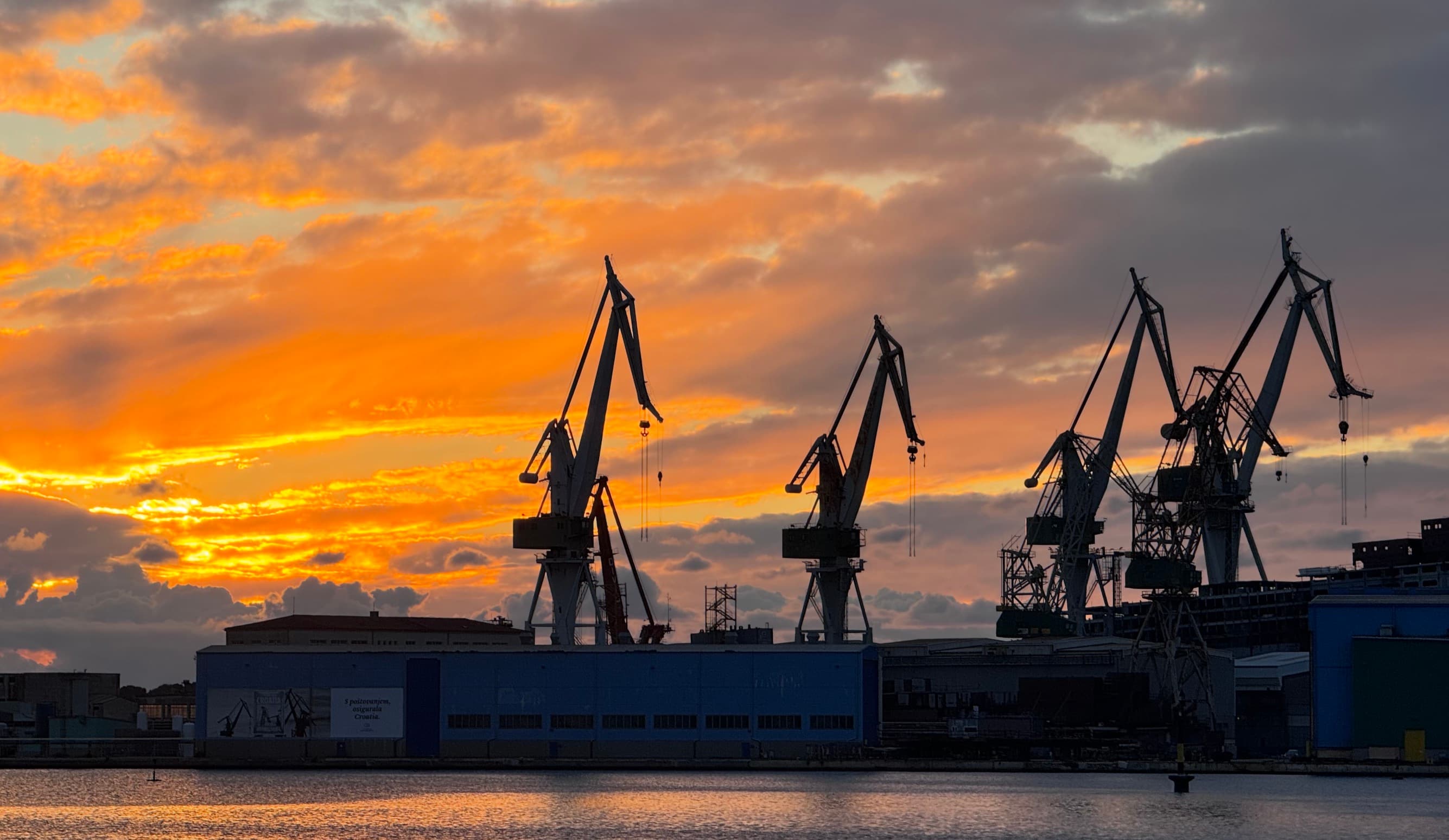
In 1850 Pula had under a thousand people. Sixty years later it was the Austro-Hungarian Navy's main base with over 50,000. That transformation built most of the city you actually walk through today.
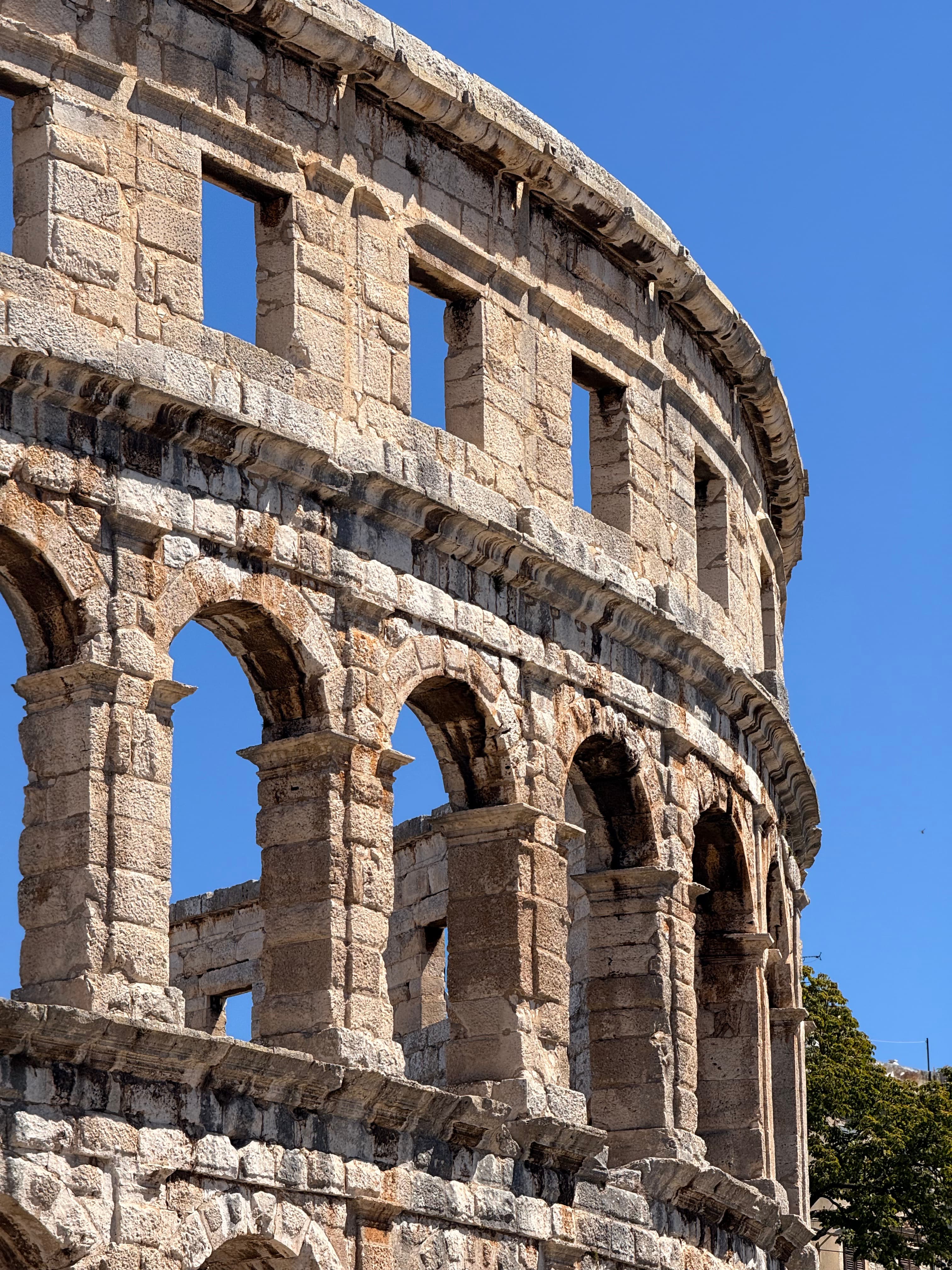
Everyone photographs the amphitheatre from the same three angles. Here is what the stones can actually tell you, from the water system under your feet to why all four towers are still standing.
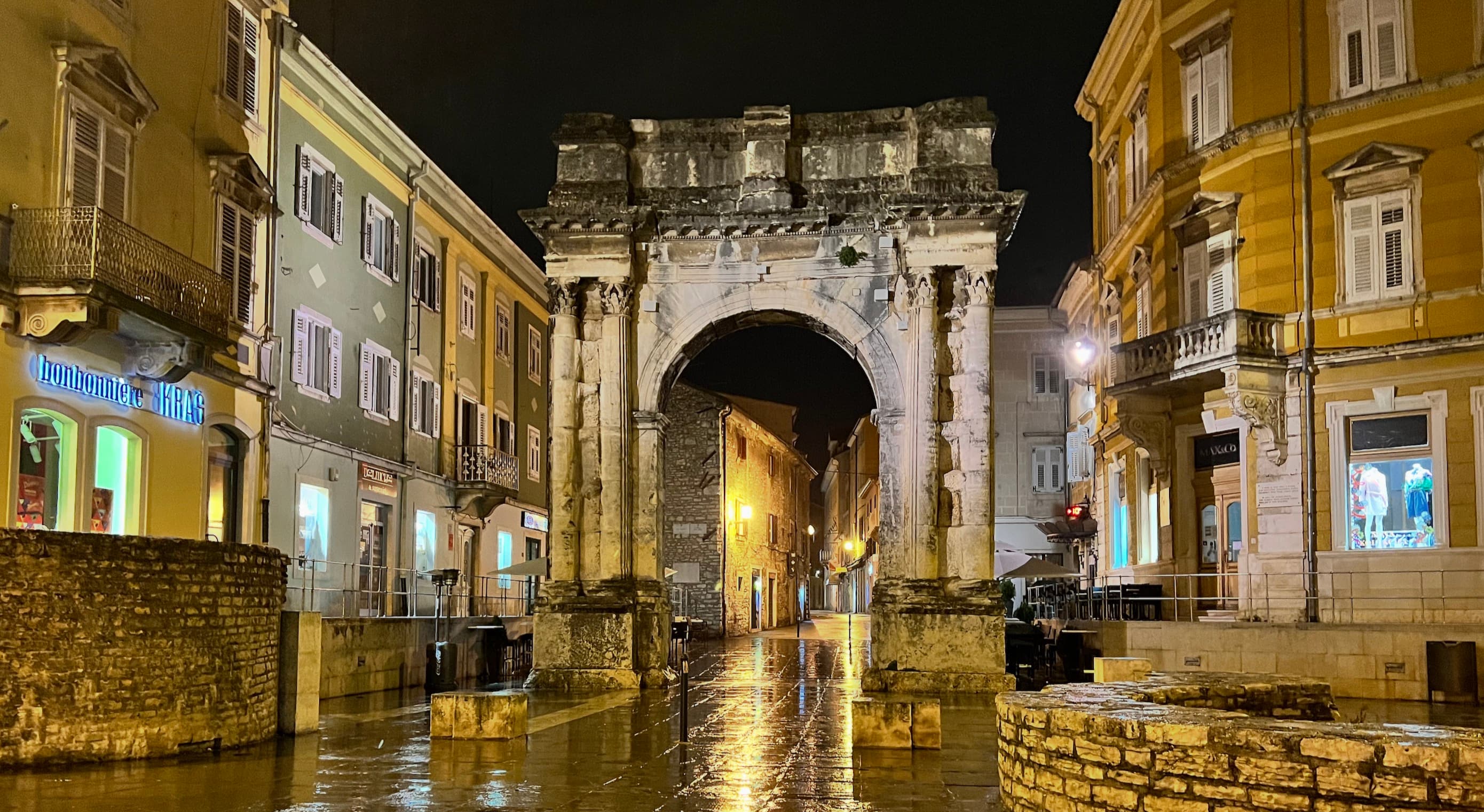
They couldn't vote or hold office — so how did Roman women shape their cities? Meet Salvia Postuma and the female patrons who built the ancient world in stone.
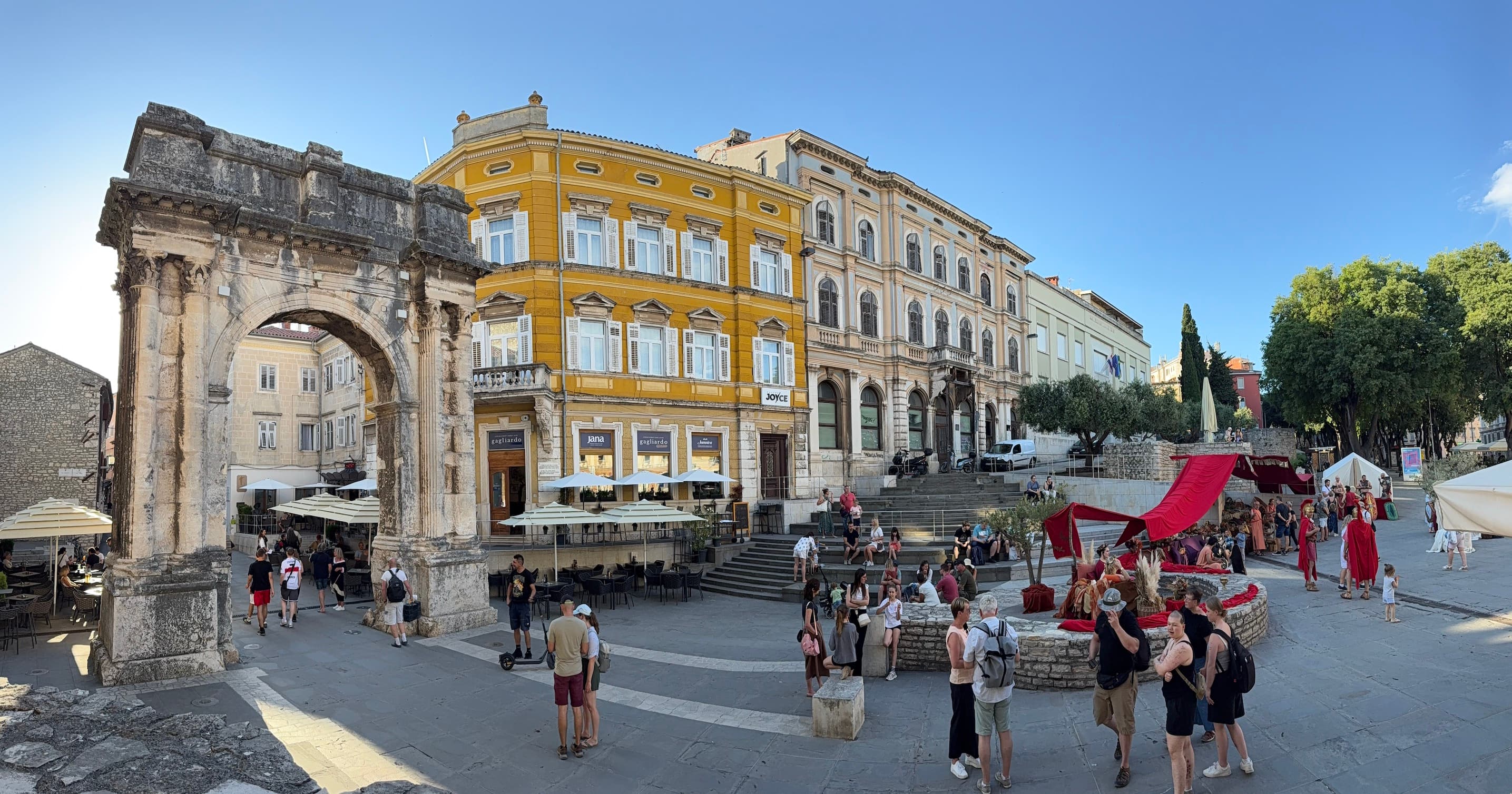
The Arch of the Sergii in Pula functioned as a heroön—a memorial to fallen heroes—commemorating three deceased members of the Sergii family through rich funerary symbolism including vineyard motifs, mythological creatures, and celestial imagery.
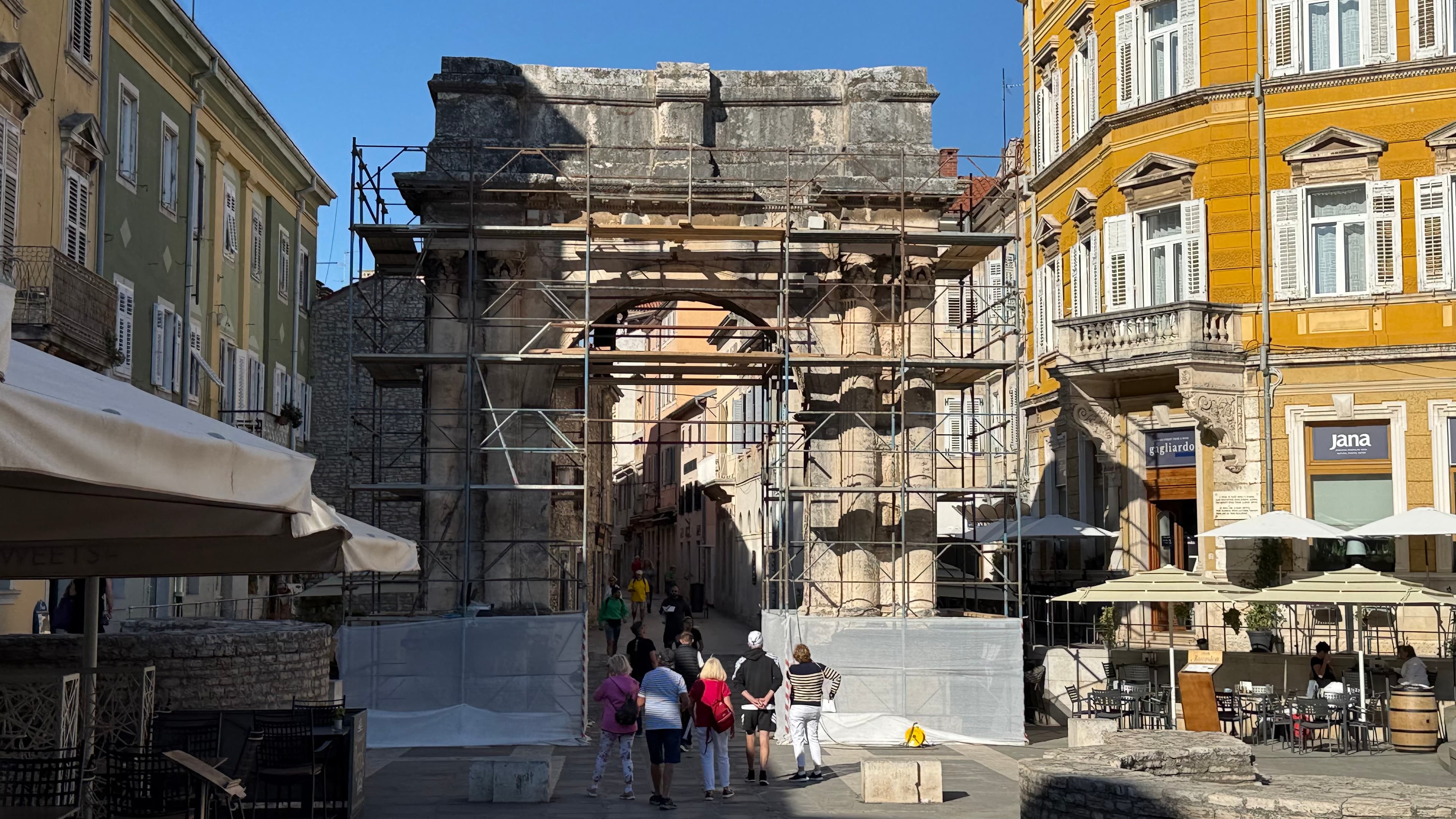
In the last decade of the 1st century BCE, Salvia Postuma—a woman married into the Sergii family—financed one of the earliest imperial arches, transforming private grief into a monument that masterfully united funerary commemoration with declarations of loyalty to Augustus.